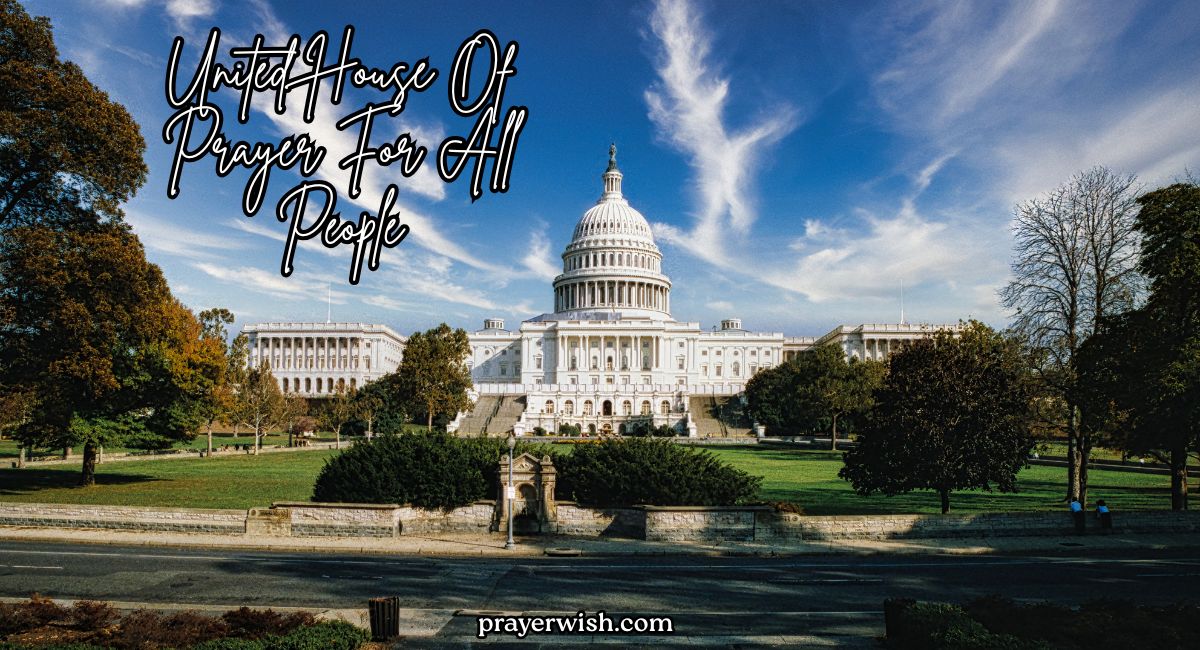
The United House Of Prayer For All People stands as a remarkable institution in American religious history, known for its deep cultural roots and strong community presence. Founded by Sweet Daddy Grace, this Pentecostal movement has grown far beyond its humble beginnings, shaping spiritual life through vibrant worship, charity, and tradition.
Many followers are drawn by its faith healing services, public parades, and strong commitment to community outreach programs. The United House Of Prayer For All People also maintains a unique structure of leadership and doctrine, often inspiring both admiration and curiosity. Its influence, especially within African American religious institutions, continues to thrive across generations.
Origins and Founding of the United House Of Prayer
The story begins with Bishop Charles Emmanuel Grace, known to the world as Sweet Daddy Grace. Born in Cape Verde, he migrated to the United States and eventually settled in Massachusetts. It was in West Wareham Massachusetts origins that he laid the groundwork for what would later become one of the most recognized African American religious institutions. People often question the History of Sweet Daddy Grace, curious about how a former railway cook became a spiritual icon. He didn’t claim to be just a preacher; he presented himself as God’s chosen servant, a messenger of salvation. His followers saw him as a divine figure capable of performing faith healing services, blessing water, and offering hope to the oppressed.
From Massachusetts, he moved to the Newark New Jersey early church, where his ministry grew rapidly. By 1927, he established permanence by incorporating the church in Washington, D.C. This was a bold and visionary move that would later make UHOP headquarters Washington D.C. the center of its global operations. The church attracted thousands with promises of redemption, healing, and prosperity. Grace’s ability to mix spiritual conviction with strong leadership helped solidify the church’s foundation. Unlike other churches with formal theology, he preached bold confidence in blessings and prosperity—messages that deeply resonated among the working-class Black communities of the early 20th century.
Mission, Beliefs, and Core Doctrine
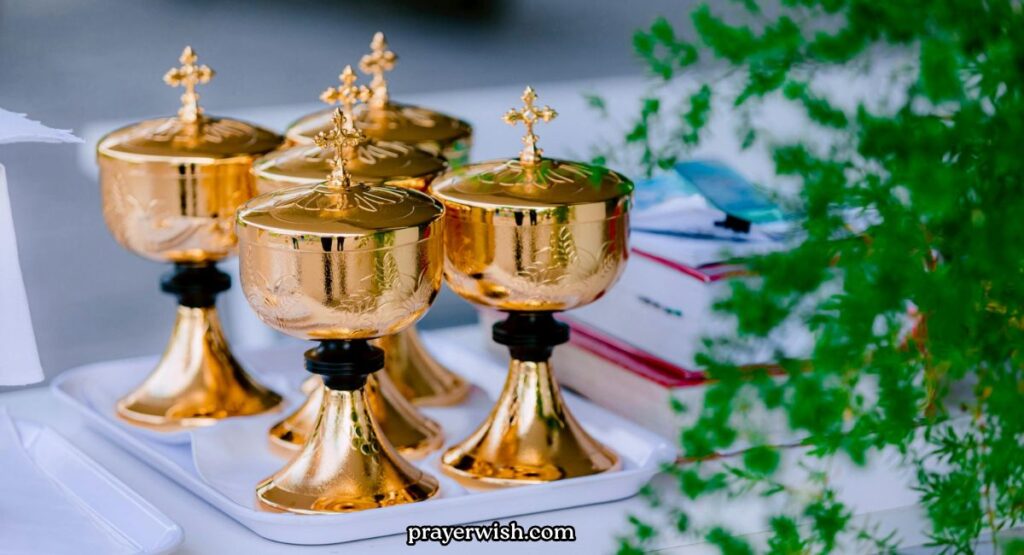
Central to the movement is its adherence to the Oneness Pentecostal movement, which distances itself from traditional Trinitarian doctrine. This leads people to frequently ask: “What is UHOP’s doctrine?” and “Why UHOP rejects Trinity doctrine?” The church firmly believes in one divine manifestation of God through Jesus Christ. This is further rooted in scriptures like the Acts 4:10-12 doctrine reference and Ephesians 2:20 belief foundation, which emphasize Jesus as the central cornerstone of salvation. Rather than theological debate, they prioritize lived faith—prayer, fasting, healing, and public declaration of salvation.
Its mission has always included both spiritual and practical empowerment. Through revival fires, they emphasized repentance, baptism, sanctification, and the hope of eternal life. This Apostolic doctrine places great emphasis on holiness, modesty, and obedience to spiritual leadership. Beyond preaching, the House of Prayer established a definition of faith built on visible actions—feeding the hungry, housing the homeless, and uplifting the poor. It is this mixture of evangelism and community compassion that distinguishes it from other Pentecostal churches. While many asked “UHOP beliefs about salvation?”, the answer remains simple: submission to God, obedience to the church, and living a life of holiness.
Early Leadership of Daddy Grace (1919–1960)
Under Sweet Daddy Grace, the church experienced miraculous growth. He hosted fiery revival meetings, marked by intense worship, testimonies, and spontaneous healing. Crowds traveled miles just to catch a glimpse of him. Some believed his touch could cure diseases. When people ask Who is Daddy in House of Prayer? they refer to that deep spiritual bond between him and his flock. For many, he wasn’t merely a bishop; he was a prophetic figure who promised deliverance and prosperity. His flamboyant white robes, gold-trimmed outfits, and jeweled crowns made him a legend both admired and criticized.
One of the most controversial yet iconic traditions started under his leadership: Public baptisms with fire hoses. These dramatic displays drew national attention. Some viewed them as theatrical; others, as powerful symbols of cleansing and rebirth. Despite criticism, these acts made the church unforgettable. Grace also introduced church-owned businesses, including soul food restaurants UHOP, which served as gathering places for fellowship and financial support. His leadership marked an era where the church established not only spiritual dominance but also social and economic infrastructure, something unmatched by other churches of its time.
Leadership Succession and Key Bishops
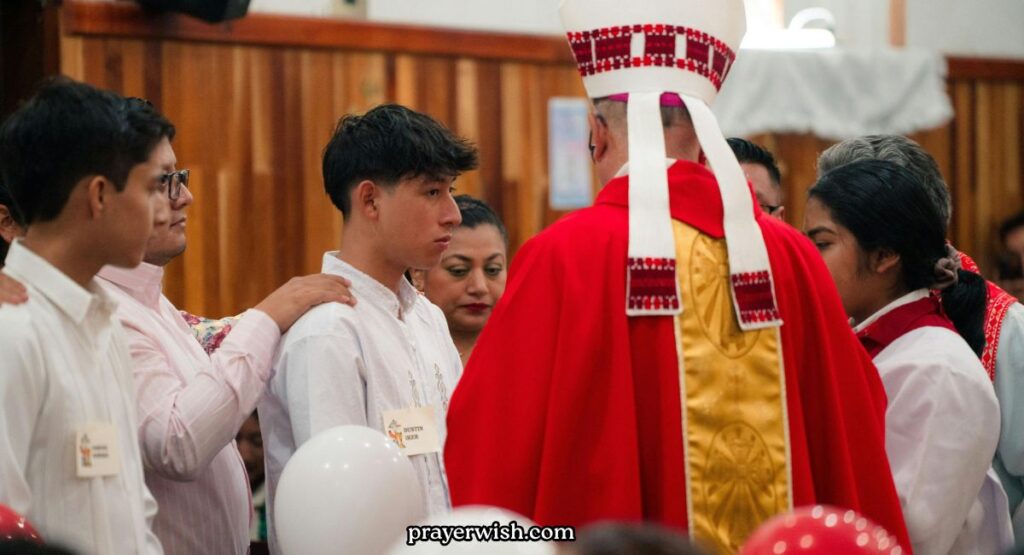
When Daddy Grace passed in 1960, a major question emerged: “Church leadership succession history” and “Leadership changes in UHOP?” The period after his death was marked by intense struggle and internal dispute. Eventually, Bishop Walter McCollough was elected, becoming the second great shepherd. McCollough shifted the focus from charismatic spectacle to strong organizational structure. He established formal governance, introduced church councils, and strengthened nationwide coordination. Under his leadership, the McCollough Scholarship Fund was founded, supporting countless youth in higher education.
After McCollough’s passing in 1991, leadership transitioned to Bishop Samuel Christian Madison. His era focused on building affordable housing projects, nursing facilities, and educational centers. He carried forward the legacy of service until 2008 when Bishop C.M. Bailey took leadership. Under Bailey, modern expansion took root. His tenure marked renewed property development, media presence, and national conventions. His unexpected death in 2023 led to another succession, bringing Bishop A.D. Cunningham into leadership. People frequently ask, United House Of Prayer For All People The answer today is Cunningham, guiding the church into a new era.
Expansion and Growth Across the United States
From one church in Massachusetts, the United House Of Prayer For All People expanded rapidly. The institution now oversees 145 worship locations across numerous states. Its largest presence lies in Washington D.C., North Carolina, Georgia, and New York. Each state features elaborate sanctuaries, dining halls, and marching band facilities. The growth can be traced through deliberate property acquisition and disciplined financial administration. Curious seekers often ask, “How many churches does UHOP have?” The answer proves its scale—more than most independent Pentecostal bodies in the U.S.
The movement’s expansion is closely tied to its strong administrative system—known as UHOP church governance. Under the General Assembly, leadership is appointed through structured election. Church district ministers manage regions, overseeing activities like revivals, youth events, and charity projects. The strategic location of churches near urban Black hubs allowed UHOP to become a major religious and cultural center. Its presence in the Charlotte North Carolina hub became crucial for Southern outreach, while Washington D.C. remained the political and administrative core. Each House of Prayer holds annual conventions filled with music, testimonies, baptisms, and parades.
Cultural Impact and Role in the African American Community
The church’s cultural significance extends beyond theology. It stands among the most impactful African American religious institutions in history. While many churches preached solely salvation, House of Prayer also provided economic empowerment. Through property investments and community outreach programs, they built homes, kitchens, nursing centers, and restaurants. These efforts underline the answer to “UHOP community services”—they cared for bodies as well as souls. The church’s bustling soul food restaurants UHOP became local landmarks, serving meals and fellowship.
The church has maintained strong cultural influence in Black churches through its public festivities. The famous Memorial Day parades remain one of the most anticipated events. Members march in white uniforms, brass bands echo through the streets, and tribute is paid to past bishops. Many ask, “What happens in UHOP parades?” They are displays of pride, faith, and memory. Church parades and band performances often include the legendary shout bands tradition, a style of gospel brass rarely seen elsewhere. These traditions embody unity, spiritual joy, and generational legacy.
Worship Practices and Public Traditions
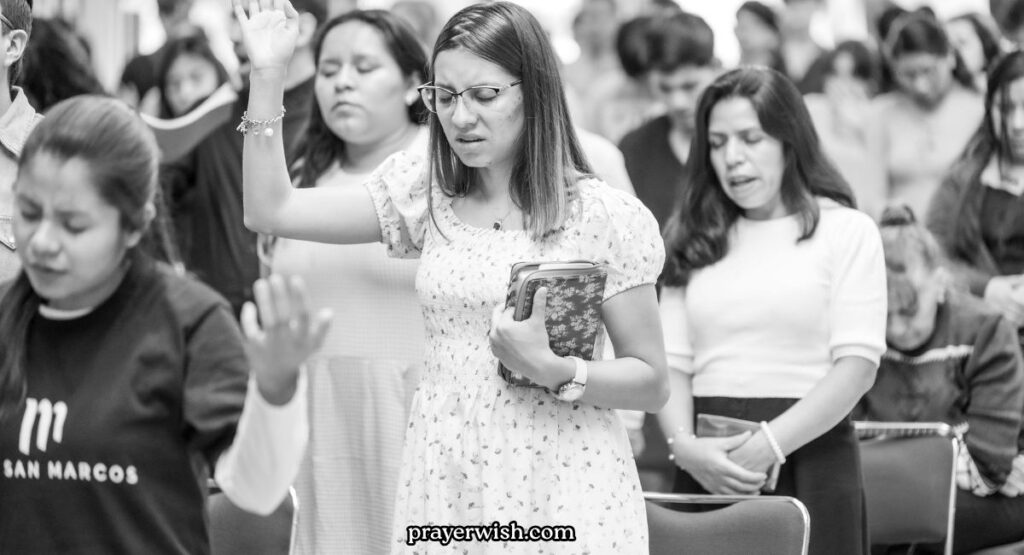
The United House Of Prayer For All People is known for its vibrant worship unlike any other church. The atmosphere is electric—filled with trombones, drums, tambourines, and powerful singing. For outsiders asking, “UHOP worship practices explained?”, the answer lies in their total embodiment of praise. Worshipers dance, shout, cry, and testify. Congregants believe in visibly expressing the Holy Spirit, echoing early Pentecostal fire. Role of shout bands in worship cannot be overstated—the brass bands are central to their liturgical identity.
Public rituals like Public baptism rituals House of Prayer are equally symbolic. Baptisms, sometimes using water hoses, represent complete submission to God. The Annual Memorial Day parade church events also honor bishops, decorated with flags, uniforms, and massive marching columns. These events reflect their motto: “Everybody Welcome, Nobody Turned Away.” This openness draws people from various denominations, curious to witness this living African American tradition. Services can last for hours, filled with fervor, preaching, and spontaneous prayer lines.
Community Outreach and Social Programs
Service to humanity remains a cornerstone of House of Prayer operations. When people ask, “UHOP social services and housing?”, they refer to the church’s extensive investment in community life. The House of Prayer has built multiple apartment complexes, senior centers, and shelters. Some of the first affordable housing projects in Washington D.C. were coordinated by UHOP, offering support to vulnerable families. Their mission always extended beyond the pulpit, involving crisis relief and health support.
The church also funds educational scholarships UHOP, particularly through the McCollough fund. Students nationwide have benefited from grants, travel stipends, and career sponsorships. In times of natural disasters or urban crises, UHOP opens its dining halls to feed those in need. Their community dining and soul food ministry remains legendary. This commitment answers the deeper question: why has the church endured for over a century? It is because it does not just preach— it provides, protects, and uplifts.
Controversies and Public Perception
Like many powerful institutions, the Church has not escaped controversy. Journalists and critics long examined its leadership’s wealth and lifestyle, often asking, United House Of Prayer For All People Critics questioned titles like “Daddy,” which led to misconceptions about reverence and authority. Some accused the church of secrecy in financial dealings. Questions such as “Who owns UHOP properties?” and media scrutiny created tension. Yet, supporters argue that loyalty and discipline preserve their sacred identity.
Opponents also debated the church’s flamboyant worship, housing investments, and administrative control. While traditional churches often resisted such autonomy, UHOP maintained independence. Despite controversy, their followers remained steadfast. They believed the institution had done more for their community than any other—providing homes, meals, and hope when society ignored them. Public perception has always existed in two worlds—one skeptical, one deeply devoted.
Present Leadership and Future of the Church
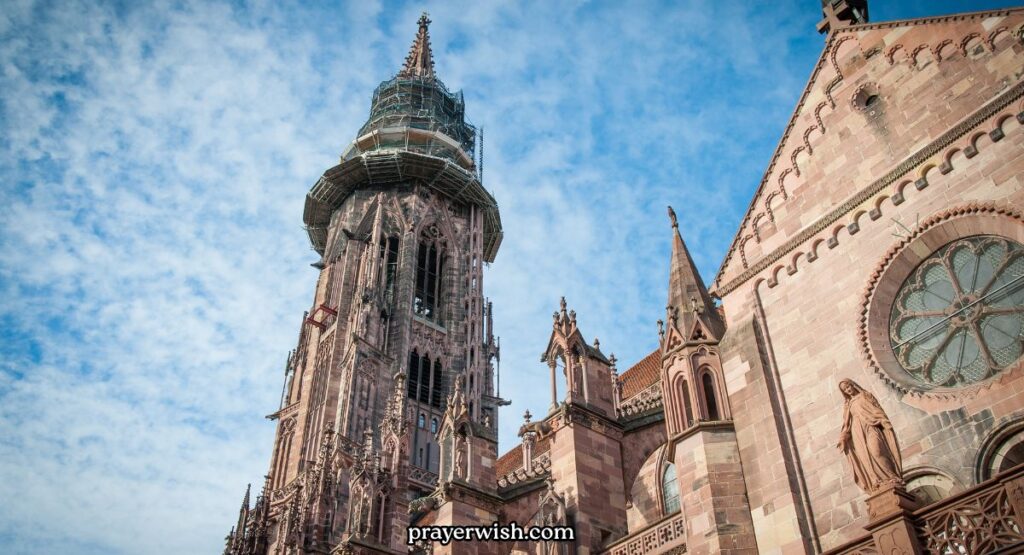
In 2023, a new chapter began under New bishop A.D. Cunningham 2023. He now leads the movement into the digital age. His role answers the ongoing question: “UHOP future direction?” Cunningham focuses on modernization without compromising heritage. He encourages use of media, youth programs, and national conferences. The impact of Modern expansion under Bishop Bailey laid foundations that Cunningham now builds upon. His leadership marks a blend of tradition and transformation.
Today, the House of Prayer faces generational shifts. Younger members demand transparency while older members honor strict tradition. United House Of Prayer For All PeopleYet, the core vision remains unshaken—to save souls and build communities. The church still stands firm on preaching holiness, practicing charity, and marching forward in unity. Its identity as a Pentecostal church with parades and powerful gospel brass remains untouched. As it evolves, it must balance legacy with change, authority with accessibility.
FAQs
What denomination is the United House of Prayer for All People?
It is a Christian denomination, often considered part of the Holiness-Pentecostal movement, though it operates independently.
Who is the new bishop of the United House of Prayer for All People?
As of now, Bishop C.M. Bailey remains recognized, and no officially confirmed successor has been publicly announced.
Who is “Daddy” in the House of Prayer?
Daddy” is a title affectionately used by members to refer to their spiritual leader or bishop of the United House of Prayer.
Who is the successor of Bishop C.M. Bailey?
No official successor to Bishop C.M. Bailey has been publicly confirmed or installed yet.
Who will replace Cardinal DiNardo?
There has been no public announcement regarding Cardinal Daniel DiNardo’s replacement at this time.
Conclusion
The United House Of Prayer For All People is more than a religious organization—it is a legacy of faith, culture, and resilient community. What began with Sweet Daddy Grace in a small town has transformed into a nationwide institution touching thousands of lives. Through music, parades, housing, and ministry, it forged a unique pathway for spiritual and social upliftment. Even amid controversy, it has remained steadfast, rooted in holiness and human connection.
In a modern world seeking authenticity, the United House Of Prayer For All People continues to stand as a testimony to what faith can build. Its future depends on how it carries forward its founding fire while embracing new generations. As long as it holds to its message of salvation, service, and unity, it will remain a powerful witness in American religious history.
Prayer Wish is a place where heartfelt words meet divine purpose. It offers powerful, faith-filled prayers for love, healing, and spiritual growth.